

Resource information
AITSL commissioned Professor Helen Timperley, University of Auckland, to undertake the Professional Conversations and Improvement-Focused Feedback literature review to draw together national and international research in relation to conversations that support professional growth.
The purpose of the review was to examine the characteristics and impact of these conversations, synthesise the common themes and identify the enablers and barriers to effective professional conversations. The review looked at professional conversations that achieved real changes in teaching practice, improved student outcomes, created better solutions to problems or developed new practice.
Enablers of effective professional conversations
Download a one-page PDF outlining enablers for effective professional conversations:
- Processes
- Knowledge
- Culture
- Relationships
- Resources
- Context.
What supports effective conversations?
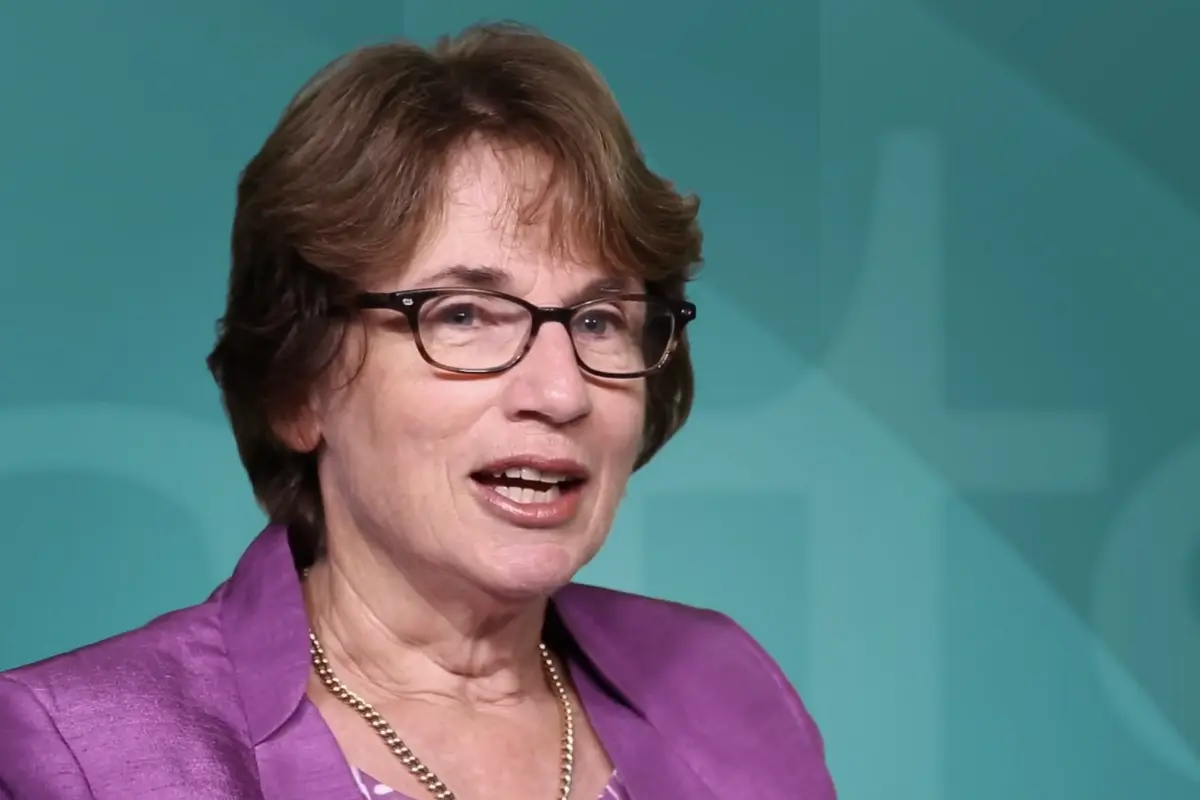
Watch a video of Professor Helen Timperley, University of Auckland as she talks about the background of this work and what was discovered about the 6 enablers.
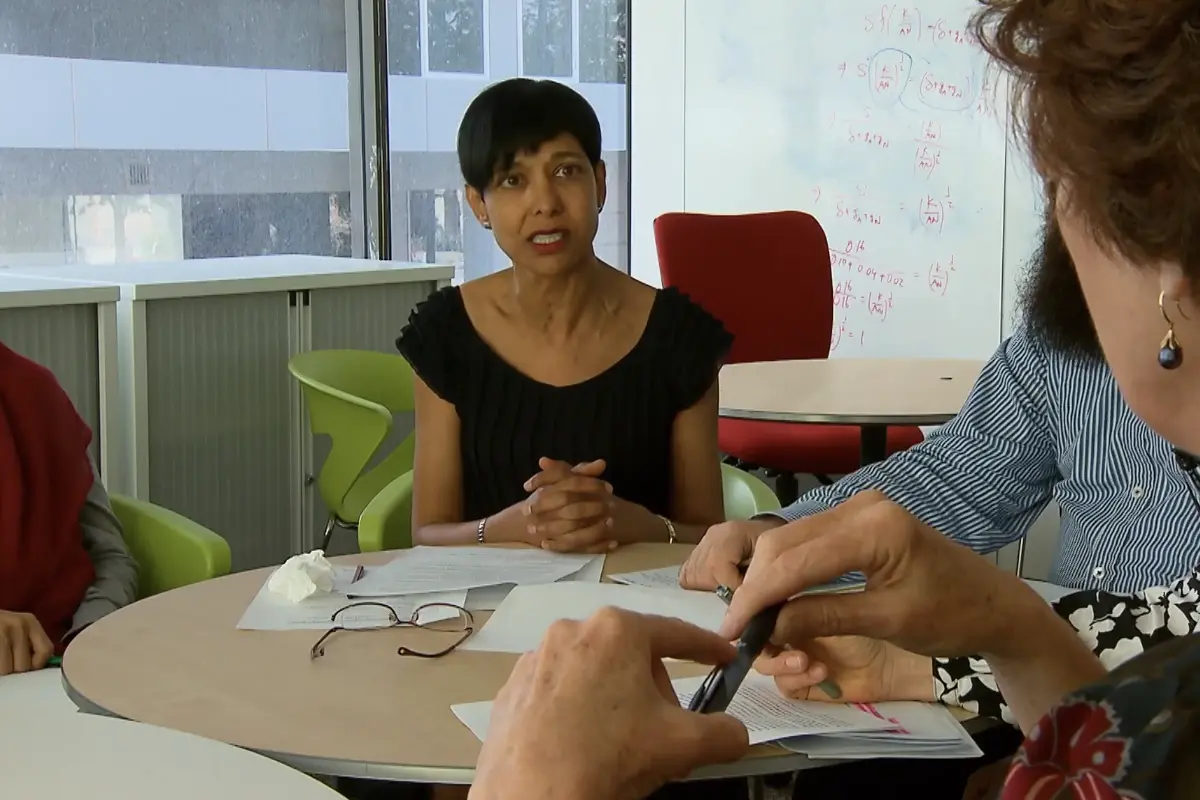
“Professional conversations essentially are any conversations between two professionals talking about their work rather than a social occasion. But in the literature that we could access was really more formal conversations, although we know that teachers learn from the informal conversations.”
What is adaptive expertise?
Adaptive expertise is about being self-aware, having agency over your ability to make a difference, and striving for the best outcomes for your students.
“Essentially, it's about having that moral imperative of students at the heart of everything we do, and looking closely at are we optimising the outcomes for them in the ways that we need to. And a key part of adaptive expertise is about taking agency for making a difference. So it's not that your practice is no good or you can’t improve, but it's about thinking about the students and “how can I really reach those most difficult-to-reach students and teach them better,” and then you can teach everyone better.”
Literature review
Dive deeper into the research behind the resources. The literature review contains sections on:
- Enablers for effective professional conversations
- Defining professional conversations and purpose
- Methodology
- Theoretical framing
- The evidence from unsupported / untrained conversations
- The evidence from supported conversations
- Conclusions and recommendations
- Future research directions.