Backward design
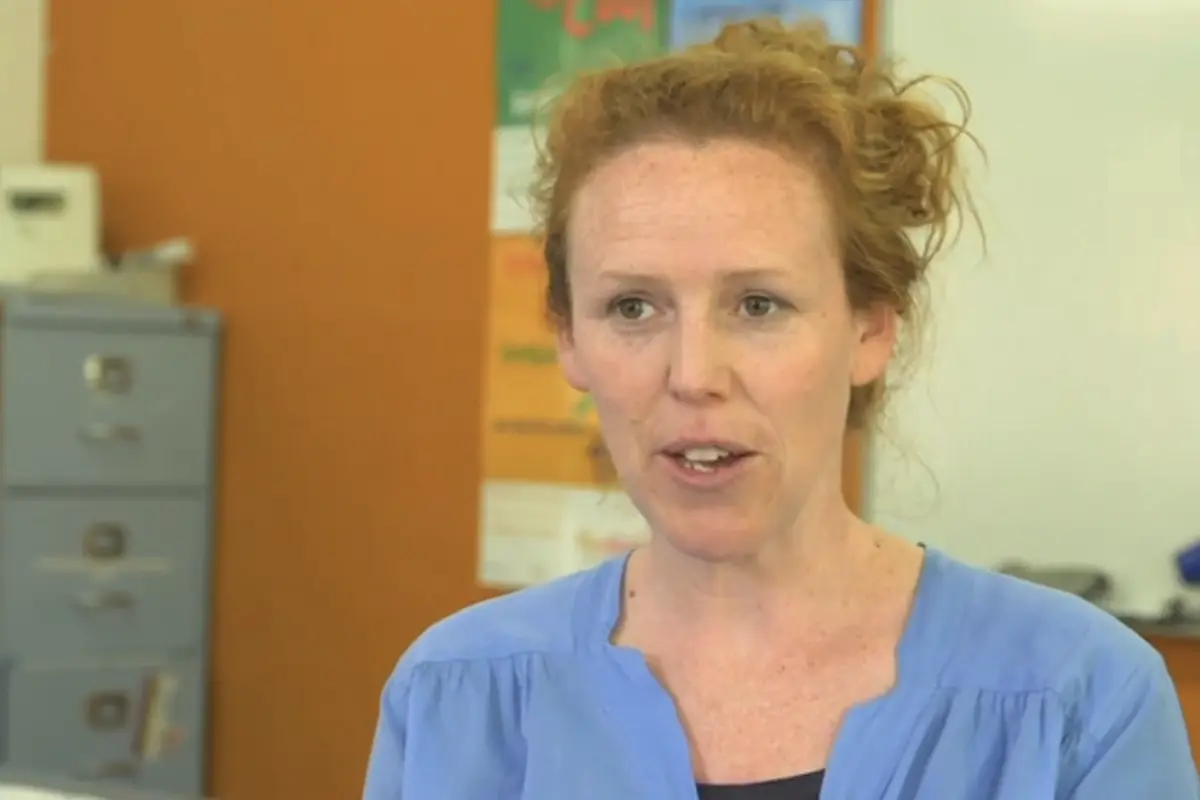
Watch a grade 4 teacher attempt to find the right balance between allowing her students to follow their own interests in the learning process and in actively directing learning to ensure that learning goals are met within the prescribed time.
Resource information
A grade 4 teacher attempts to find the right balance between allowing her students to follow their own interests in the learning process and in actively directing learning to ensure that learning goals are met within the prescribed time. She describes her approach to planning a unit on 'Forces' in Physical sciences using 'backward design'. Professional learning that she attended with teachers from other Catholic schools in Hobart shaped her approach. In using this learning theory as an aid to lesson planning, she found that she could manage the learning more effectively, and that her students achieved the anticipated learning goals.
Dominic College is a Catholic, kindergarten to year 10, co-educational, independent school in Hobart. At the College, the teacher of year 4, responding to the interest of her students in science, participated in professional learning to improve her knowledge and skills. Using the 'backward design' learning theory of Wiggins and McTighe (2005), she analysed the year 4 Australian Science Curriculum, in order to identify appropriate learning standards for her students. Following this, she designed assessment tasks, learning activities and selected appropriate resources to support these.
Discussion questions
- At what stage of development do you incorporate the formal curriculum into your unit or lesson planning?
- How does an understanding of 'how students learn' shape or affect the ways in which you teach?
- In what ways have you recently developed new knowledge, skills and/or understanding relating to an area of teaching and learning?
Related documents
Download the supporting resource pack.